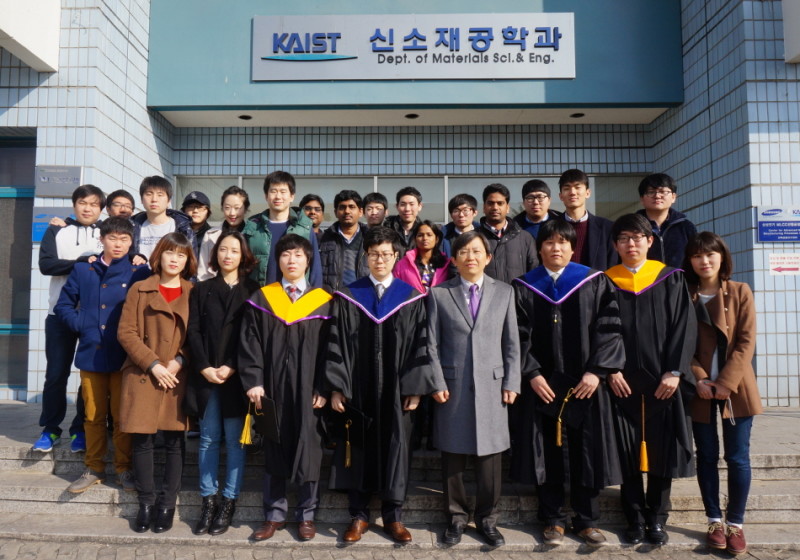
KAIST (Korea Advanced Institute of Science & Technology)
History & Mission
KAIST, founded in 1971, was South Korea’s first research-oriented science and engineering institution. Over decades, it has established itself as a national and global leader in technological innovation, contributing significantly to Korea’s industrial and economic growth. Its mission centers on advancing science and technology, cultivating talent, and driving R&D that can address societal challenges.
Academic & Research Culture
KAIST is deeply research-oriented. It offers undergraduate, master’s, integrated MS-PhD, and doctoral programs, with a strong emphasis on both fundamental and applied science. Many students participate in cutting-edge projects, and research grants, scholarships, and living stipends are readily available, enabling students to focus on innovation. The university operates with a flexible structure: for instance, undergraduates take general courses for several terms before choosing their major.
Internationalization & Language
KAIST has made a concerted effort to be globally accessible: ~80% of its courses are taught in English, and English is the official language of communication in research contexts. This makes it particularly attractive to international students, who form a diverse community from dozens of countries. The university also runs formal exchange programs and has partnerships with many top institutions worldwide.
Campus & Facilities
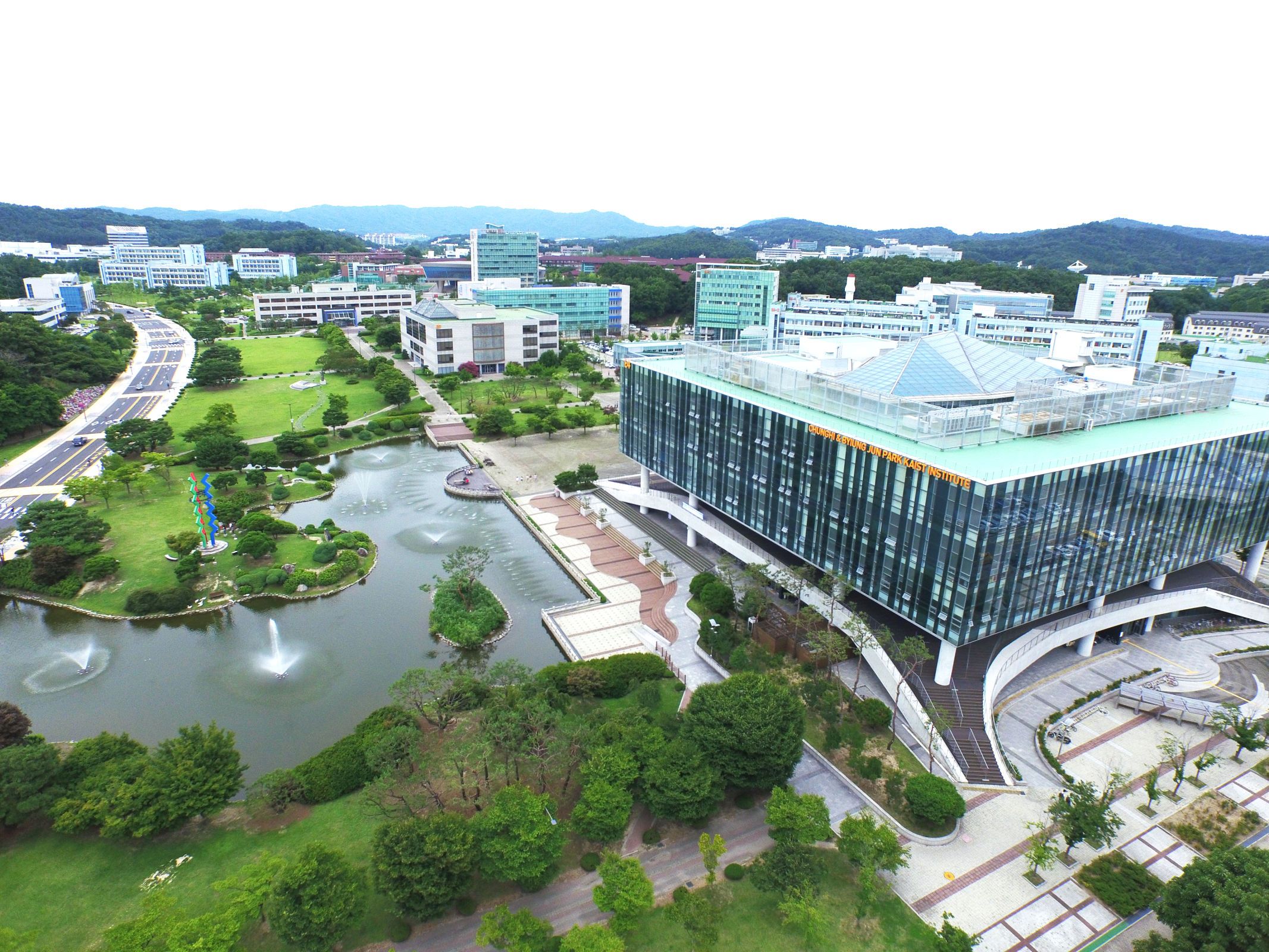
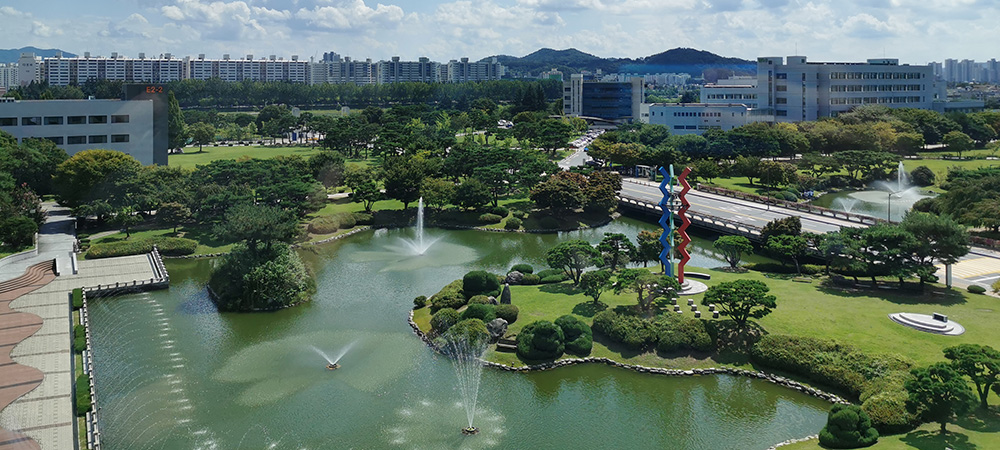
The main campus in Daejeon is part of Daedeok Innopolis, a major R&D cluster of public/private research labs, startups, and technology firms. This proximity to research institutions fosters a rich environment for collaboration, industry-university projects, and innovation. Housing, dining, libraries, and high-tech labs support a vibrant student life.
Graduate Student Experience
Graduate students often receive financial support via scholarships, research assistantships, and teaching assistantships. Besides full tuition coverage, many receive a stipend, making it financially viable to pursue high-level research. Additionally, working within research projects provides professional experience, publication opportunities, and academic growth.