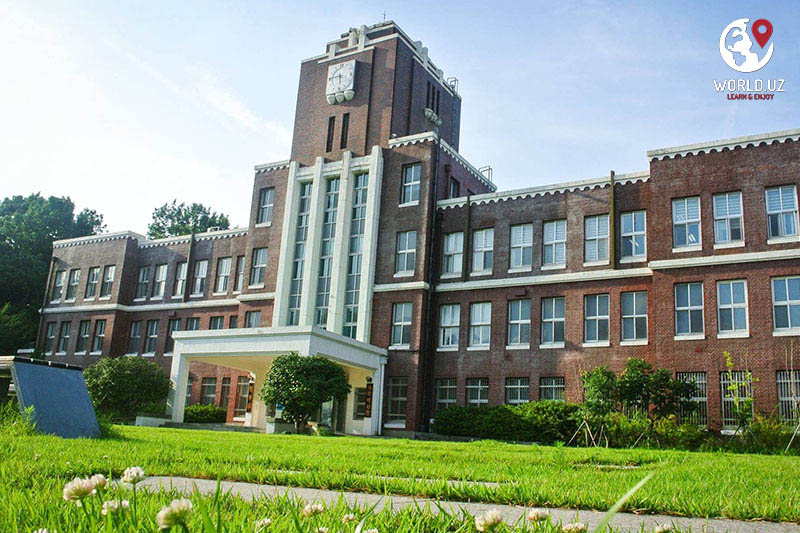
Chonnam National University (CNU)
History & Identity
Chonnam National University (CNU) was founded in 1952 and is one of South Korea’s leading national universities. Located in Gwangju (with a satellite campus in Yeosu), it has grown into a major center for higher education and research.
Historically, CNU has played a symbolic role in the struggle for democracy and human rights. It was deeply involved in the pro-democracy movements of the 1980s, particularly during the Gwangju Uprising, and its legacy continues to inform its institutional values.
Academics & Research
CNU comprises roughly 16–18 colleges and 11 graduate schools, offering a wide spectrum of disciplines from engineering, natural sciences, business, medicine, law, arts, and social sciences.
The university is globally engaged: it has partnerships with 499 universities in 62 countries, facilitating exchange, research collaboration, and internationalization. Its business school holds AACSB accreditation, and its engineering programs are recognized by Korean accreditation bodies.
Campus & Infrastructure
CNU’s campuses are equipped with modern facilities, research centers, and medical hospitals: it has two medical campuses and several teaching hospitals.
The dormitory system supports a large student population
Global & Social Impact
CNU emphasizes social responsibility, sustainability, and human rights. The university’s involvement in the democratization movement reflects its commitment to justice. It also integrates sustainable development goals (SDGs) into its institutional strategy and partners with local government and communities, particularly in Yeosu, for regional development